Volume 48 (2021)
- Issue 1
Building a New Grid without New Legislation: A Path to Revitalizing Federal Transmission Authorities
Internet Editor
September 9th 2021
New long-distance, high-voltage transmission will be vital if the United States is to integrate the renewable energy generation needed to decarbonize the electric system at sufficient scale and at reasonable cost. Congress would ideally take action to address the regulatory and economic barriers that currently prevent long-distance, high-voltage transmission from ...
Volume 48 (2021)
- Issue 1
Realigning the Clean Water Act: Comprehensive Treatment of Nonpoint Source Pollution
Internet Editor
September 9th 2021
Nonpoint source pollution is the biggest threat to water quality in the United States today. This Article argues for stronger federal controls over nonpoint source pollution. It begins by examining the history of water quality regulation in the United States, including the passage and amendment of the Clean Water Act ...
Volume 48 (2021)
- Issue 1
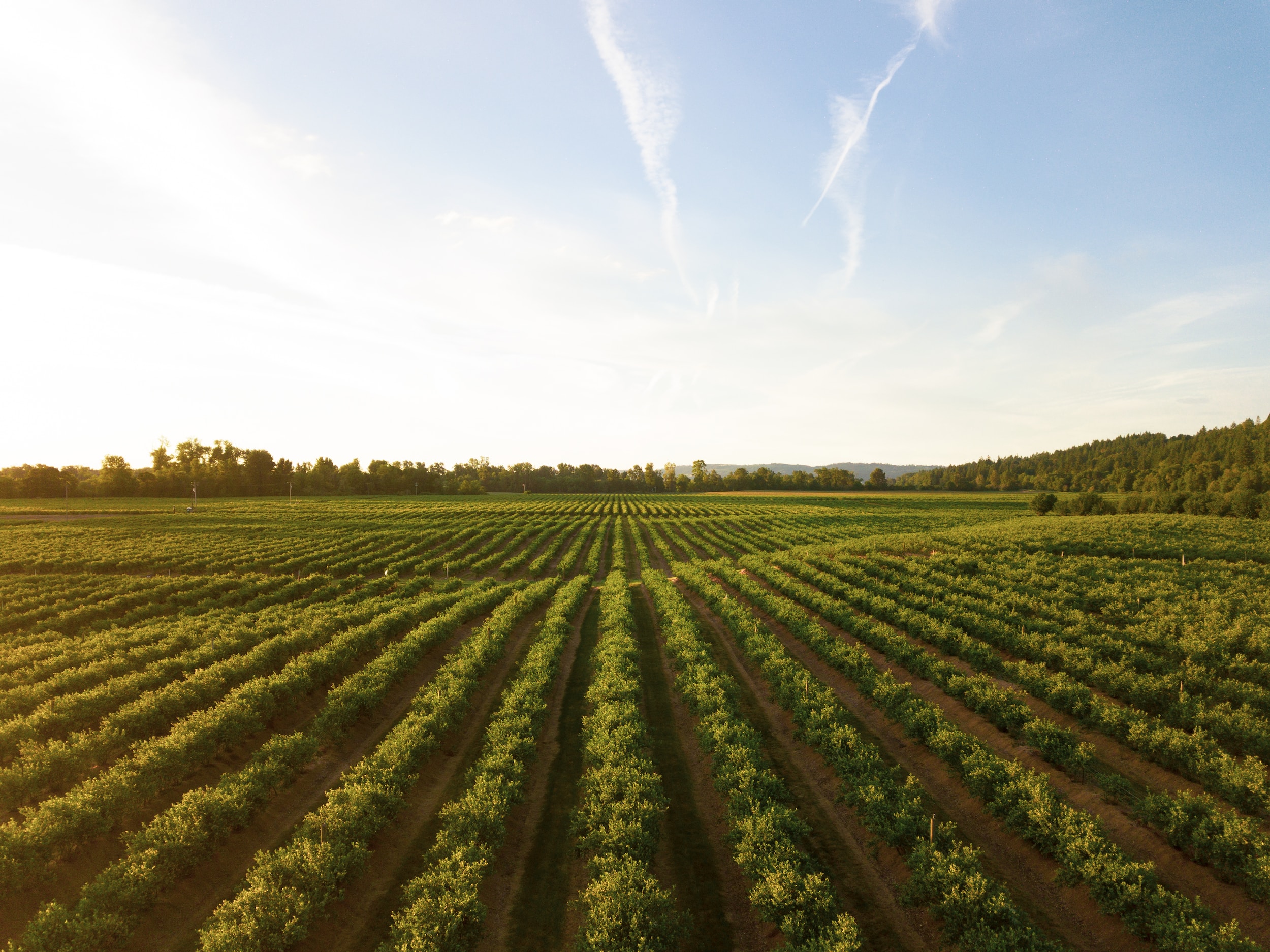
Farming with Trees: Reforming U.S. Farm Policy to Expand Agroforestry and Mitigate Climate Change
Internet Editor
September 9th 2021
Agroforestry systems have enormous potential to mitigate climate change. These systems incorporate trees and shrubs into agricultural production, increasing both soil carbon sequestration and the amount of carbon stored in biomass. Even the most conservative estimates find that agroforestry sequesters two to five times more carbon per acre than the ...
Issue 1
Struggling to Find a Rapanos Nexus: Maui and the Expansion of Clean Water Act Regulation
Internet Editor
September 9th 2021
The Supreme Court has long struggled to define the scope of federal jurisdiction over pollution control under the Clean Water Act (CWA). During the Court’s last term, that issue returned to the forefront in County of Maui, Hawaii v. Hawaii Wildlife Fund. The case involved pollution from a wastewater treatment ...
Biodiversity
Food for Thought: The International Seed Treaty as a Tool to Promote Equity and Biodiversity in a Changing Global Climate
While much attention is shed upon the climate crisis, intimately intertwined—and arguably a bigger threat to human stability—is the biodiversity crisis. In particular, current industrial agricultural systems accelerate biodiversity loss and amplify climate change, which in turn intensifies widespread food insecurity and has left over 800 million people without adequate ...
Volume 48 (2021)
- Issue 3
An “Unfulfilled, Hollow Promise”: Lyng, Navajo Nation, and the Substantial Burden on Native American Religious Practice
Internet Editor
August 18th 2021
Many Native American religious practices are linked to sacred sites— places in the natural world that have been used for ceremonies and rites since time immemorial. Often, particular ceremonies and rituals can only be performed at these locations. Many such sacred sites are located on what is, today, public land ...
Volume 47 (2020)
- Issue 4
Sustainable Communities or the Next Urban Renewal?
Internet Editor
June 25th 2021
Inadequate housing supply in California’s most expensive metro areas drives a statewide housing crisis that challenges climate policy implementation, fair housing goals, and poverty reduction. Many scholars and policy makers agree that increasing dense infill transit-oriented residential development (TOD) in high-cost metro areas could address this housing crisis while also mitigating the impacts of climate ...
Volume 47 (2020)
- Issue 4
Leveraging California’s Hospitals for Housing Preservation: Progress and Opportunities
Internet Editor
June 25th 2021
As part of their role as anchor institutions rooted in place, hospitals have invested in communities for decades. While past efforts have been piecemeal, hospitals are now driving strategies to finance, build, and preserve affordable housing. This article looks at why and how hospitals have contributed to housing preservation strategies ...